Seasonal Guide
Batería doméstica in Summer vs Winter: Seasonal Performance
How does your batería doméstica perform in summer versus winter? Discover the impact of temperature, daylight, and electricity consumption on your savings throughout the year.
Patrick2 de marzo de 20268 min read
Back to blogIniciar test
Why the season has such a big impact on your batería doméstica
A batería doméstica works all year round, but performance varies significantly by season. In summer, you benefit from more energía solar, longer daylight hours, and mild weather. In winter, conditions are more challenging: less sun, lower temperatures, and higher energy consumption due to heating and lighting.
This doesn't mean a batería doméstica is less useful in winter — quite the contrary. With the right settings and expectations, you'll get a return from your system all year round. In this article, we explain exactly what you can expect per season and how to optimise your battery usage.
Summer: maximum yield, but also challenges
Summer: long days and plenty of sun
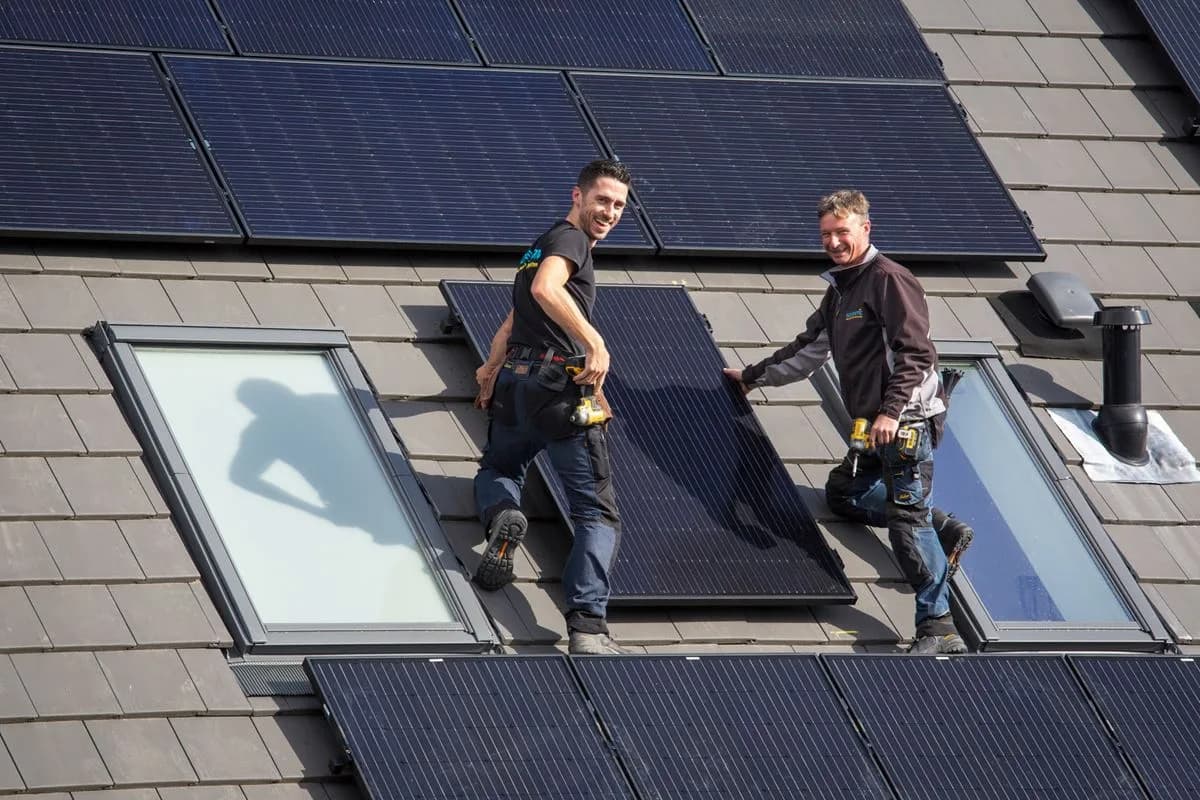
In summer, the sun shines an average of 7-9 hours por día in los Países Bajos. Your paneles solares run at peak capacity and produce more electricity during the day than an average hogar consumes. The batería doméstica stores this surplus for evening use. Result: autoconsumo of up to 90-95%.
Winter: short days and more grid consumption
In winter, there are only 2-4 hours of sun por día on average, at lower intensity. The panels produce 60-70% less than in summer. The battery often doesn't fully charge during the day, while hogar consumption actually increases due to lighting, heating, and electrical appliances. Grid consumption rises, but a well-configured battery mitigates this by smart charging via cheap night tariffs or energía eólica.
¿Qué batería doméstica te conviene?
Haz el test gratuito y descúbrelo en 2 minutos.
Summer vs winter: the figures compared
Below we compare the average performance per season for a Dutch hogar with 10 paneles solares (4 kWp) and a 10 kWh batería doméstica:
| Season | Avg. solar yield | Autoconsumo | Grid consumption |
|---|---|---|---|
| Spring (Mar–May) | 75% of max. | 80–85% | Low |
| Summer (Jun–Aug) | 100% of max. | 90–95% | Minimal |
| Autumn (Sep–Nov) | 55% of max. | 65–75% | Moderate |
The table clearly shows: in summer, the battery is almost fully charged daily via paneles solares. In winter, grid charging fills the gap. By combining tarifas dinámicas with the battery, you can also benefit smartly from low night tariffs in winter.
Tips for optimal use in summer
Maximise your yield during the summer months with these adjustments:
- Charge prioritisation: set the battery to solar-first, so surplus energy is stored immediately
- Recorte de picos: use the battery to flatten consumption peaks, including in the evening
- Battery cooling: ensure adequate ventilation; high ambient temperatures can affect the charge cycle
- Smart EV charging: charge your coche eléctrico during the day when the battery is full and the panels are still generating
- Export limit check: verify whether your tarifa de inyección remains profitable or if full autoconsumo is more advantageous
Tips for optimal use in winter
In winter, the focus shifts from generación solar to smart grid charging:
- Night tariff charging: configure the battery to charge during cheap hours (e.g., 23:00–07:00)
- Heating prioritisation: link the bomba de calor to the battery for more efficient electricity consumption
- Dynamic contract: switch to a contrato de energía dinámico for maximum cost reduction
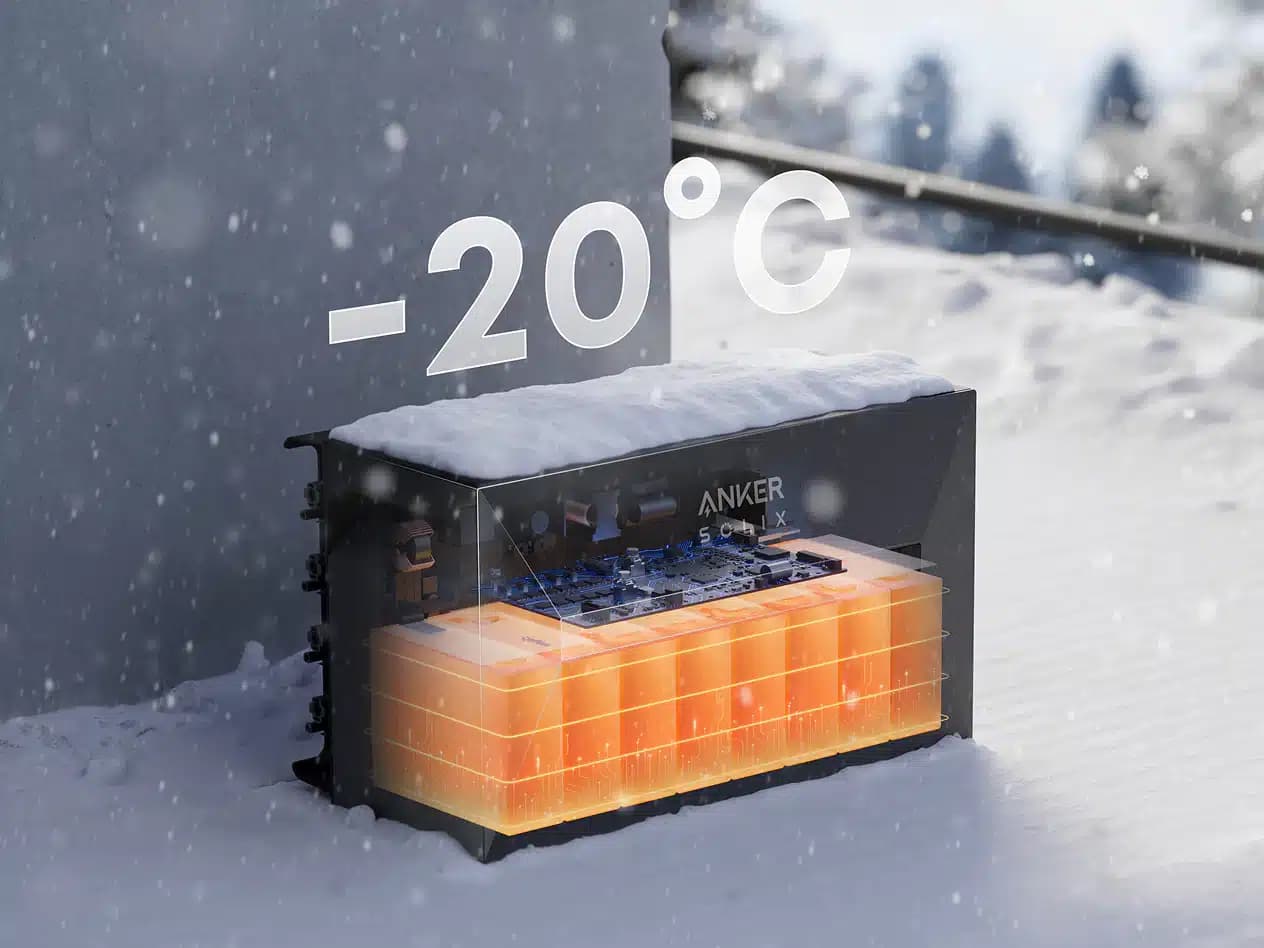
- Monitor battery temperature: in extreme cold (<0°C), available capacity temporarily decreases by 10–20%
Conclusion: savings all year round
A batería doméstica performs best when you configure it for the season. In summer, you maximise autoconsumo of solar power; in winter, you benefit from cheap grid electricity at off-peak times. The result is a system that works for you 365 days a year.
At Home Energy Solutions, we not only help you purchase the right battery, but also with optimal seasonal settings. Contáctenos for personalised advice.
Optimal savings all year round?
Ver nuestra baterías domésticas with smart gestión energética systems for seasonal optimisation.
Related Articles
Continue reading about home energy
¿Listo para pedir?
Explora nuestra gama completa de baterías domésticas con la mejor relación calidad-precio.