Blog
Modular Home Batteries: Expand Whenever You Want
Modular home batteries grow with you. Start small, expand later. Everything about stackable systems, compatibility and the smartest expansion strategy.
Patrick2 March 20267 min read
Back to blogStart quiz
Why modular batteries are becoming increasingly popular
Energy independence is rarely an all-or-nothing decision. Many homeowners start with a base capacity to get acquainted with home storage and expand later as their consumption changes — by purchasing an EV, expanding their solar panels or simply wanting more comfort. Modular home batteries cater perfectly to this need.
Unlike monolithic systems where you commit to the full capacity at purchase, modular systems allow you to add modules whenever it suits you. This lowers the entry barrier and offers maximum flexibility for the long term.
How does a modular system work?
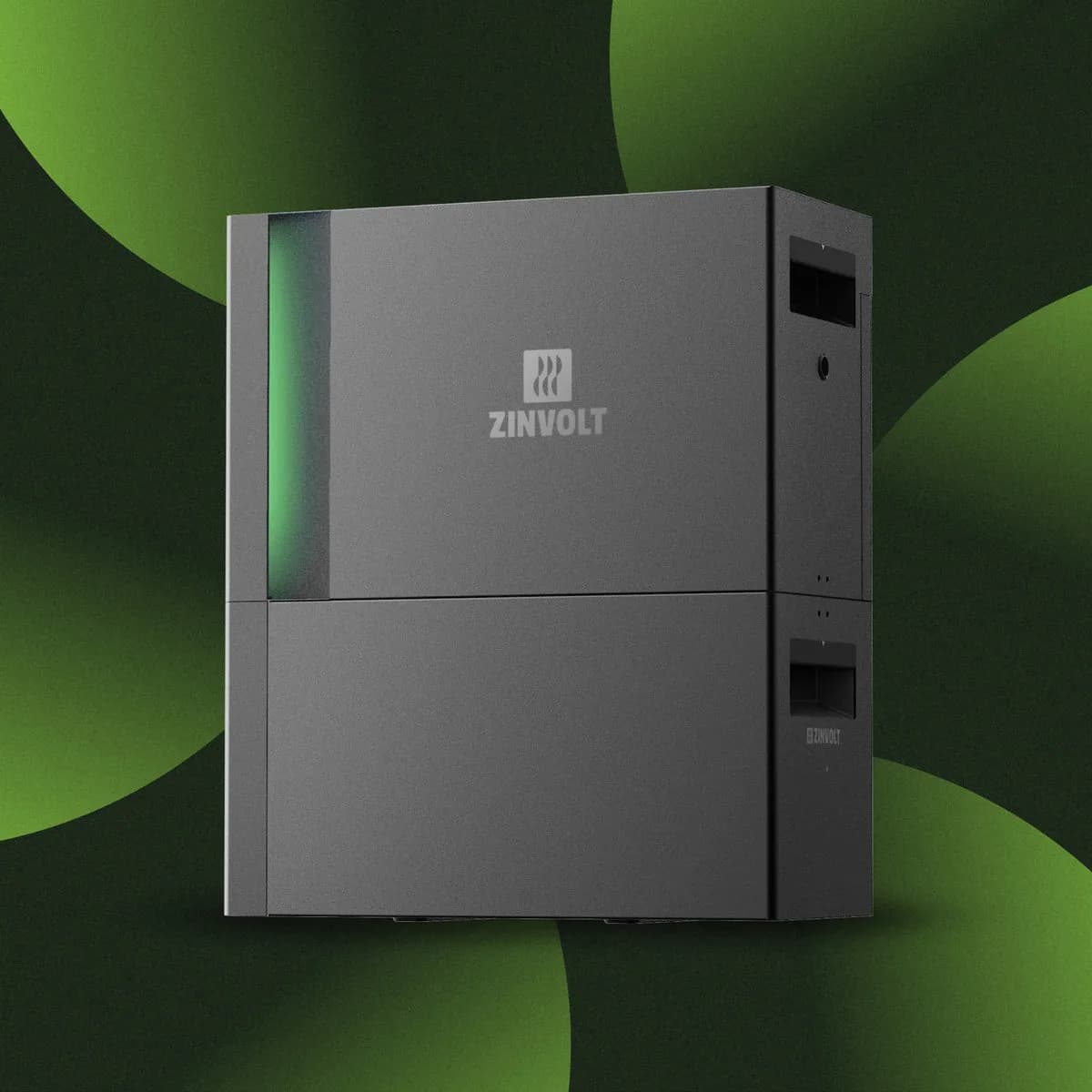
A modular home battery system consists of a central management unit (Battery Management System, BMS) and interchangeable or addable energy modules. The BMS monitors all modules as a single unit: state of charge, temperature, cell balancing and communication. Adding an extra module is in most cases a matter of connecting it and updating the app:
- Stackable design: new modules are physically placed on top of or next to existing modules
- Automatic recognition: the BMS detects the new module and adjusts the energy algorithms
- No grid stabilisation issues: all modules operate as a single battery bank — no complex parallel configuration needed
- Expandable with the same inverter: most hybrid inverters support capacity expansion up to a maximum
- Future-proof: cross-generation compatibility — top manufacturers guarantee that new modules remain compatible with older generation BMS systems
Popular modular systems compared
Not every system calls itself modular, but has that capability in practice. Here are the most requested modular home batteries at HES:
Which home battery suits you?
Take our free quiz and find out in 2 minutes.
| System | Starting capacity | Max. capacity | Expansion step |
|---|---|---|---|
| Anker SOLIX X1 | 5 kWh | 20 kWh | 5 kWh per module |
| Dyness Tower Pro | 5.12 kWh | 25.6 kWh | 5.12 kWh per module |
| BYD Battery-Box Premium HVS | 2.56 kWh | 22.1 kWh | 2.56 kWh per module |
The step size determines how precisely you can expand. A small step (2-3 kWh) gives more control; a large step (5 kWh) is cheaper per kWh but less granular.
When is expanding worthwhile?
Changes that justify expansion
Home battery expansion is most cost-effective when your energy production or consumption changes significantly. The most common triggers: purchasing an electric vehicle (an additional 2,000 – 5,000 kWh annual consumption), installation of additional solar panels (more daytime power to buffer), purchasing a heat pump (higher morning and evening peaks), or the fact that your current battery is already empty early in the evening.
When is expanding less worthwhile?
Expansion is less attractive if your battery is on average only 60% utilised daily, if your current inverter has already reached its maximum DC capacity, or if the price per kWh of expansion modules is higher than a complete new system from another manufacturer.
Practical tips for modular expansion
Planning to expand? Then keep the following practical considerations in mind:
- Check the maximum DC capacity of your inverter: every hybrid inverter has a maximum connection capacity for the battery bank
- Always use modules from the same brand and preferably the same production batch: cell mismatch can lead to imbalance in the BMS
- Have the expansion carried out by a certified installer if the system operates on high-voltage DC (above 60V)
- Update firmware before commissioning: modern BMS systems sometimes require a firmware update to recognise the new module
Conclusion: modular offers the most future-proofing
A modular home battery is the smartest investment if you want to start now but are not yet certain of your future energy needs. You start with a lower initial investment and scale up when it makes sense — without unnecessary overcapacity.
Want to know which modular system best suits your installation? The experts at HES will help you with a free capacity assessment.
Related Articles
Continue reading about home energy
Ready to order?
Browse our complete range of home batteries with the best value for money.